Manufacturing Challenges in Next-Generation Energy Systems
As electric vehicles (EVs), hydrogen fuel systems, aerospace platforms, and medical technologies evolve, metal components are becoming thinner, more intricate, and more tolerance-sensitive.
Energy systems today depend on:
>> Stable micro-channel geometries
>> Consistent electrical conductivity
>> Tight dimensional tolerances
>> Burr-free edge quality
When tolerance requirements reach the micron level, conventional stamping or mechanical cutting may introduce deformation, residual stress, or secondary deburring steps.
This is where precision chemical etching becomes structurally relevant rather than optional.
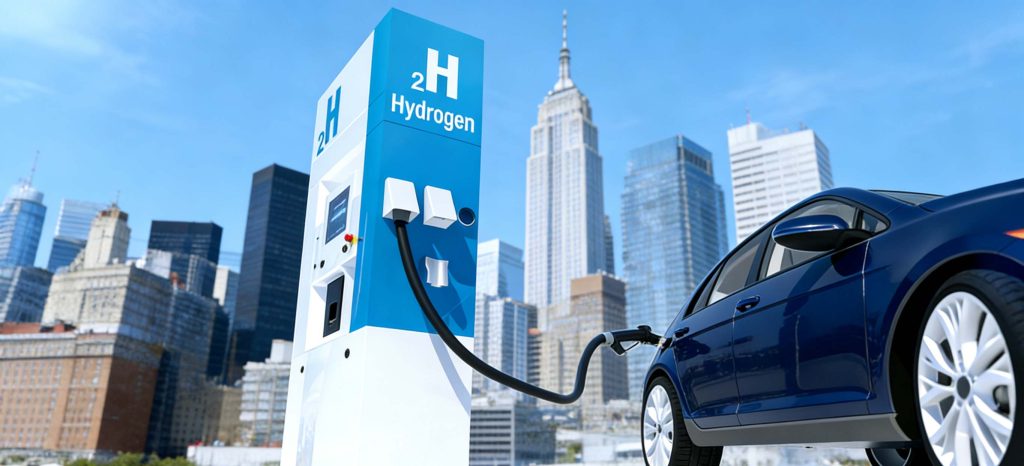
Precision Etching in Electric Vehicle Components
Dimensional Stability in EV Battery Busbars and Connectors
Battery packs, battery management systems (BMS), and high-voltage connection tabs require stable conductive components with consistent thickness and geometry.
Photochemical etching enables:
◆ Thickness tolerance of ±0.005mm
◆ Line width tolerance of ±0.005mm
◆ Burr-free, stress-free edges
Unlike mechanical punching, the chemical dissolution process avoids shear stress, helping maintain flatness in thin materials between 0.02–3.0mm.
This makes it suitable for prototype validation and medium-volume EV programs before progressive tooling is finalized.
Sensor Components and Precision Shims
Automotive sensors and calibration shims demand micro-level dimensional consistency to ensure alignment and vibration resistance.
With general dimensional tolerance of ±0.008mm and fine feature capability down to 0.01mm, precision etching supports stable assembly performance in both internal combustion and electrified vehicle systems.
Hydrogen Fuel Cell and Electrolyzer Applications
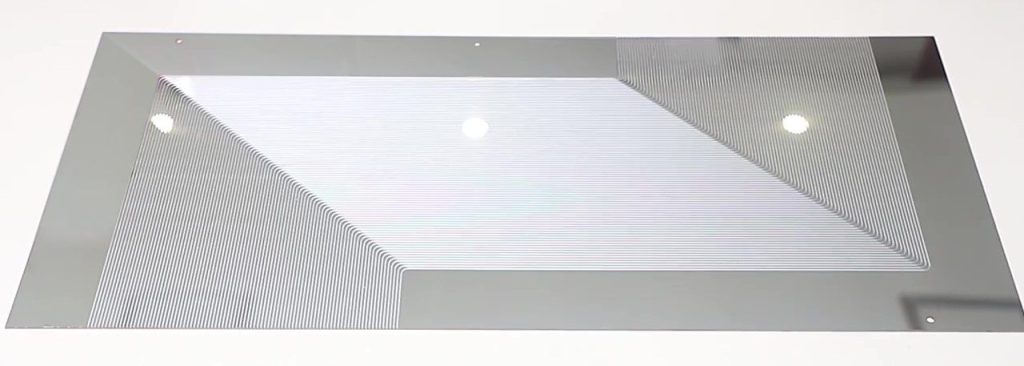
Hydrogen infrastructure relies heavily on precision-formed metal plates, including:
>> Bipolar plates
>> Flow field plates
>> Heat exchanger plates
These components require:
>> Minimum channel depth capability of 0.01mm
>> Depth tolerance of ±0.005mm
>> Large-format processing up to 2400 × 700mm
Uniform channel depth and flatness are essential for gas distribution efficiency and stack consistency.
Because chemical etching introduces no mechanical stress, it helps preserve dimensional stability across large sheets and multi-layer assemblies.
A Cross-Sector Manufacturing Convergence
Across EV platforms, hydrogen ecosystems, aerospace cooling, and precision medical systems, the engineering priorities are increasingly aligned:
◆ Micro-scale dimensional control
◆ Design flexibility during development
◆ Stress-free manufacturing processes
◆ Scalable production capability
Precision chemical etching adapts across materials such as copper, nickel, stainless steel, aluminium, and titanium while maintaining tight tolerance consistency.
As global energy systems transition toward electrification and hydrogen integration, manufacturing processes capable of supporting micro-structured metal components with repeatable accuracy are becoming foundational technologies.
Precision etching is not merely supporting innovation — it is embedded within the structure of modern energy engineering.