What’s the metal photo etching?
Metal photo etching stands out as a highly specialized and precise technique. This method has brought a revolution to the way industries across a wide array produce complex metal components. Metal photo etching, also known as photochemical machining, is a subtractive manufacturing process that combines the principles of photography and chemistry to create intricate and accurate metal parts. It has become an essential tool for engineers, designers, and manufacturers seeking to produce high – quality components with tight tolerances and complex geometries.
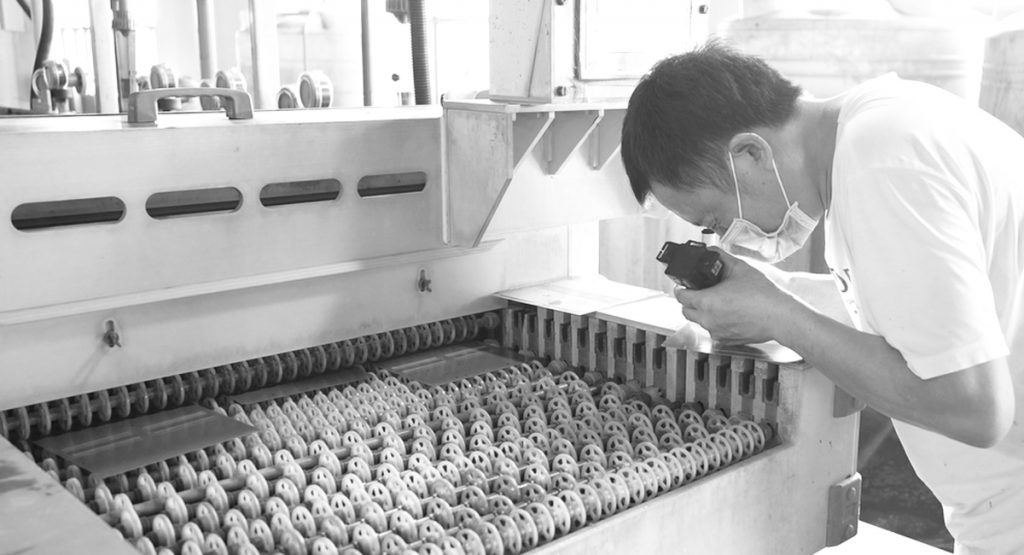
Metal Photo Etching Process
Photo etching is a process that uses light – sensitive materials and chemical etchants to remove unwanted metal from a base sheet. With etching technique, Hysen can make various metals such as stainless steel, copper, aluminum, or brass.
Advantages
Photo chemical etching stands out as an incredibly versatile and cost – effective manufacturing process, serving as a linchpin across a diverse spectrum of industries and applications. Its adaptability and economic viability make it a preferred choice for numerous sectors, each with its own unique requirements.
In the electronics industry, photo chemical etching plays a pivotal role. For Printed Circuit Boards (PCBs), it enables the creation of intricate circuitry patterns with remarkable precision. The process allows for the production of fine – pitched traces and vias, ensuring optimal electrical connectivity within the board. This is crucial as modern electronics demand smaller, more powerful devices, and PCBs fabricated through photo chemical etching can meet these miniaturization and performance demands.
In Semiconductor Packaging, the technique is equally essential. It helps in manufacturing components such as lead frames, which provide mechanical support and electrical connections for semiconductor chips. The ability to achieve high – precision dimensions and smooth surfaces through photo chemical etching is vital for ensuring the reliability and functionality of semiconductor packages. This, in turn, impacts the performance of a wide range of electronic devices, from smartphones to high – performance computing systems.
The aerospace and defense sectors also greatly benefit from photo chemical etching. Turbine engine components, for example, require materials that can withstand extreme temperatures, high pressures, and corrosive environments. Photo chemical etching can produce parts with complex geometries and precise tolerances, which are essential for the efficient operation of turbine engines. These components need to be lightweight yet robust, and photo chemical etching allows for the careful manipulation of material thickness and shape to meet these requirements.
Precision sensor components in this industry rely on the accuracy of photo chemical etching. Whether it’s sensors for measuring pressure, temperature, or acceleration, the process can create components with the necessary sensitivity and reliability. The fine – tuned control over the manufacturing process ensures that the sensors can provide accurate readings in the challenging conditions encountered in aerospace and defense applications.
In the automotive industry, photo chemical etching is used to manufacture various components. From fuel injection systems to engine parts, the process can create parts with high – quality finishes and tight tolerances. This contributes to the overall performance, fuel efficiency, and durability of vehicles. Additionally, it enables the production of lightweight components, which is a growing trend in the automotive industry to improve fuel economy and reduce emissions.
The medical field also reaps the rewards of photo chemical etching. For medical devices, especially surgical instruments, the process allows for the production of highly precise and sharp tools. The ability to create complex shapes and fine details is crucial for instruments that need to perform delicate procedures. Implantable devices, on the other hand, require biocompatible materials and precise manufacturing to ensure they integrate safely and effectively within the human body. Photo chemical etching can meet these requirements by carefully controlling the material properties and dimensions of the components.
In summary, photo chemical etching’s broad – reaching capabilities and cost – effectiveness make it an invaluable manufacturing process across multiple industries, driving innovation and enabling the production of high – quality, advanced – technology products.