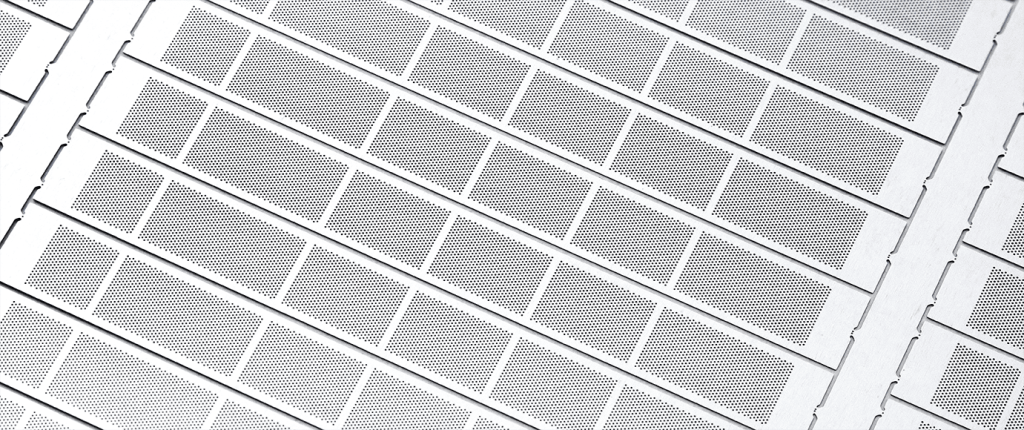
OCV Filter Screen

Why Photochemical Etched OCV Filter Screens Improve Automotive Performance

OCV filter screen plays a critical role in modern automotive Variable Valve Timing (VVT) systems. As modern automotive engines continue to evolve toward higher efficiency, lower emissions, and greater reliablility, the performance requirements of internal fluid control systems have become increasingly demanding.

One critical component is the Oil Control Valve (OCV) filter screen, which plays an essential role in protecting Variable Value Timing (VVT) and Variable Valve Timing Intelligent (VVT-i) systems from contamination and ensuring stable oil flow throughout engine operation.

To meet the stringent requirements of automotive manufacturers, OCV filter screen must deliver exceptional precision, cleanliness, structural stability, corrosion resistance, temperature resistance, and long service life.

Traditional manufacturing technologies are facing growing limitations in meeting these expectations. As a result, photochemical etching (PCM) is becoming an increasingly preferred solution for high-performance automotive filtration components.

ocv filter screen

Challenges Facing Tradisional OCV Filter Screen Manufacturing

Conventional manufacturing methods such as punching, drilling, woven mesh fabrication, and laser processing have been widely used in automotive filtration applications for decades.

While these methods are suitable for many standard applications, they often present several challenges when extremely precise filtration performance is required.

Typical limitations include:

Burr formation around hole edges
Mechanical stress and material deformation
Limited hole geometry flexibility
Inconsistent aperture tolerances
Reduced flow uniformity
Increased risk of clogging over time

For OCV systems, even minor variations in aperture size can affect oil flow consistency and ultimately influence valve timing performance and engine efficiency.

As automotive OEMs continue to tighten qualit standards, OCV filter screen precision has become a critical factor in overall system reliability.

Stamping machining

Photochemical Etching: A Superior Alternative

PCM (Photochemical Machining), also known as precision chemical etching, offers a non-contact manufacturing process that removes material through controlled chemical dissolution rather than mechanical force.

Because no punching, drilling, or cutting tools are involved, the process eliminates many of the limitations associated with conventional manufacturing.

Photochemically etched filter screens feature:

Burr-free edges
Stress-free structures
Excellent dimensional stability
Uniform aperture distribution
High repeatability
Complex custom hole geometries

These advantages make PCM particularly suitable for precision automotive filtration applications where consistency and reliability are essential.

photo etching

High Precison Means Better Flow Control

One of the most significant advantages of etched OCV filter screen is aperture accuracy.

Traditional manufacturing methods typically control aperture tolerances within approximately ±0.01 mm.

In contrast, photochemical etching can achieve aperture tolerances as tight as ±0.003 mm.

This level of precision provides several important benefits:

Improved flow consistency
More uniform pressure distribution
Enhanced filtration performance
Reduced risk of localized blockage
Greater system reliability

For OCV assemblies, precise and consistent aperture dimensions help ensure stable oil flow throughout the component’s service life, supporting optimal engine performance under varying operating conditions.

Material Flexibility for Demanding Automotive Environments

Automotive filtration systems often operate under harsh conditions involving elevated temperatures, pressure fluctuations, corrosive fluids, and long service intervals.

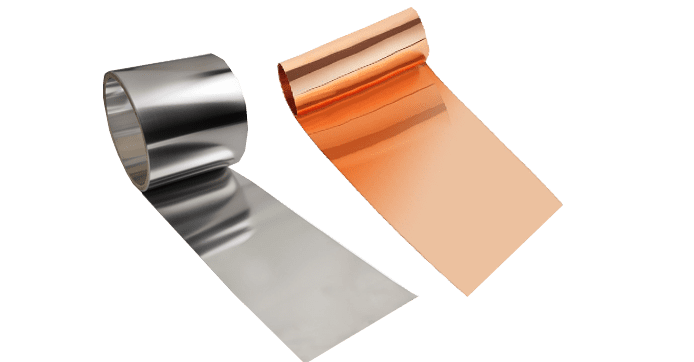
Photochemical etching supports a wide range of high- performance materials, including:

Stainless Steel 304
Stainless Steel 316L
Inconel 600
Titanium Alloys
Copper Alloys

This flexibility allows engineers to select the most suitable material based on specific application requirements while maintaining excellent manufacturability and precision.
From Prototype Development to Mass Production

Another key advantage of photochemical etching is its ability to seamlessly support both rapid prototyping and high-volume production.

Unlike tooling-intensive processes, PCM requires no expensive hard tooling, allowing design interations to be completed quickly and cost-effectively.

Once a design is validated, the same process can be scaled directly into volume production while maintaining exceptional dimensional consistency.

Benefits including:

Faster product development cycles
Reduced tooling investment
Shorter lead times
Stable batch-to-Batch quality
High-volume manufacturing efficiency

For automotive suppliers and OEMs, this significantly reduces development risk while accelerating time-to-market.
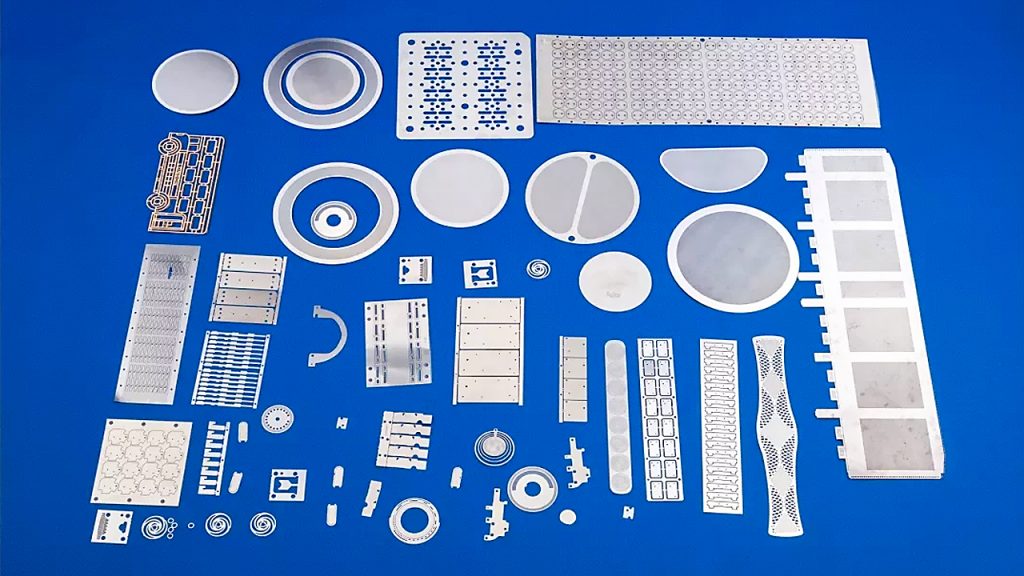
etching products