Applications of Iron Nickel Alloy Etching
Iron nickel alloy etching has a wide range of applications in various industries due to the unique properties of iron nickel alloys, such as high magnetic permeability, good corrosion resistance, and excellent mechanical properties. Some of the main applications are Electronics Industry, such as magnetic components and microelectronic devices, Aerospace and Defense, like aerospace components and defense applications, Medical Field, such as medical implants and medical equipment, etc.

The advantages of Iron Nickel Alloy Etching
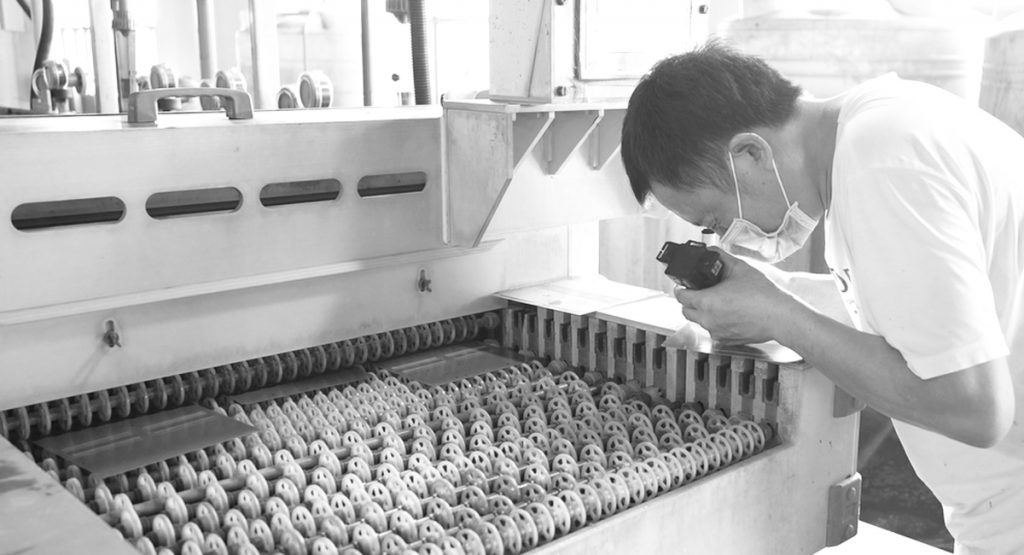
Compared with other molding methods, the photo chemical etching method shines with distinct advantages. It features simple operation, enabling even novice operators to carry it out with relative ease. This method also allows for the production of multiple varieties, catering to diverse requirements. Small – batch production is a breeze, making it cost – effective for niche demands. Moreover, its short cycle ensures quick turnarounds.
Complex – shaped and intricately structured electromagnetic components can be precisely machined via photo chemical etching. This precision is crucial in the microelectronics industry, where every component’s performance matters. Thus, chemical etching holds an indispensable position, driving innovation and ensuring the high – quality production of microelectronic devices.
Specific model and its characteristics:
The Benefits of Photo Chemical Etching
Why choose Hysenetch?
Hysenetch brings over 13 years of expertise in precision etching. We specialize in high-quality photo etched components. Our factory is ISO 9001, ISO 14001 and IATF 16949 certified. This ensures top-tier quality for precision metal components via photo chemical etching.
By leveraging the benefits of photochemical etching technology, Hysonetch can offer a most cost-effective solution to our partners. Photochemical etching can improve the accuracy, speed and unique property of precision products that simply aren’t possible with traditional sheet metalworking techniques.
How to work with Hysonetch
- Send us your design drawing or sample to get a quotation.
- Prepare the raw materials according to your order.
- Cut the raw materials by product size.
- Clean the sheet metal after cutting.
- And then the sheet metal be printed and dried.
- Make the film (Photoresist Coating) and check at the same time.
- Expose, by exposing the pattern on the film is transferred to the sheet metal.
- Develop, by this step to remove the area which is not exposed.
- Chemical Etching, use our unique etchant to remove the metal which is exposed.
- FQC and delivering, once the all products which have been checked by FQC will be packaged and delivered to the customers.